New economic data from the Commerce Department shows that consumer spending is not being held back by the war in Iran. And while the surge in spending on gas is directly attributable to the higher oil prices resulting from the war, that doesn’t explain the increase in online shopping (up 10 percent compared to a year ago) and household expenditures. People appear comfortable spending despite (or perhaps because of?) the threat of war, rising prices, and possible supply disruptions.
Sales at furniture stores are up, as are sales of electronics, both categories that suffer when consumers are holding back. Low unemployment, the lack of layoffs (except for folks in the tech field), and rising consumer spending mean things are humming along at a steady pace despite the war and lingering concerns over tariffs.
It’s quite possible that the American consumer doesn’t care what happens in Iran, isn’t worried about the flow of oil through the Strait of Hormuz, and would prefer to spend their days watching YouTube on their giant screens and TikTok on their handheld screens rather than worrying about global problems that don’t touch them. I’m fine with that because it allows me time to prep. The danger is that these people will flip out if and when the SHTF.
Not only will most Americans be unprepared and caught off guard as the scenarios we preppers worry about and prepare for finally hit, but they will also panic. The mass of non-preppers—what has been referred to as the Golden Horde—will be like locusts, stripping the store shelves bare in a day or two.
Maybe we should stockpile snacks so we have something to munch on while we watch them panic from the sidelines.
The Never-Ending Ceasefire
While I suspect Trump is willing to negotiate with Iran in good faith, I think this ceasefire accomplished several important things.
First, it allowed the United States’ war machine to rest, recover, resupply, and restock.
Second, it gave the Iranians time to dig out their buried ammo dumps and clear the debris from the front of those underground tunnels where they claim to stockpile thousands of missiles. And while they are digging out, we have been watching and taking notes.
Third, we have been coordinating with our allies in the Gulf. Israel, of course, but possibly Saudi Arabia and other countries that Iran has attacked, like Kuwait and the UAE.
Here’s my prediction of what happens next:
We’ll wake up one morning and hear that wave after wave of attacks have hit Iran. It might be a Friday night, after the markets have closed, so traders and investors have time to digest the news before Monday. (Does anyone else find it funny that we schedule battles around stock market trading hours?)
It might be a day when they knew where the leaders would be getting together, or right before Iran was about to launch a strike.
This time, it won’t be just Israel and the U.S., although the two countries will do much of the heavy lifting. They will be joined by other regional air forces, who will also strike back. This will give Trump cover and make it look like he has a coalition. It will also give the Saudis and everyone else who has attacked a key message to share with their populaces: We fought back. We didn’t sit there and take it; we defended ourselves and struck back.
Misdirection and Stealth
With every passing day, Iran feels emboldened. They think their plan is working. They reveal themselves to our drones and satellites.
This extension of the ceasefire isn’t weakness; it’s strategy. Expect it to end with a bang, not whimper.
Iran and the world think Trump will target bridges and power plants because that’s what he has been talking about. His braggadocio has ignited a debate about whether doing so would be considered a war crime, but it’s all a distraction, misdirection. Most of the initial action will target the few remaining leaders and the missile launchers and other offensive resources Iran has dug out and salvaged.
By now, we know where the targets are. Our AI has evaluated our air campaign’s past performance, analyzed recent satellite surveillance, set priorities, and established the battle plan. We’re just waiting to carry it out.
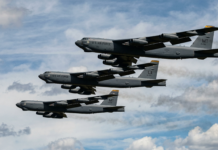
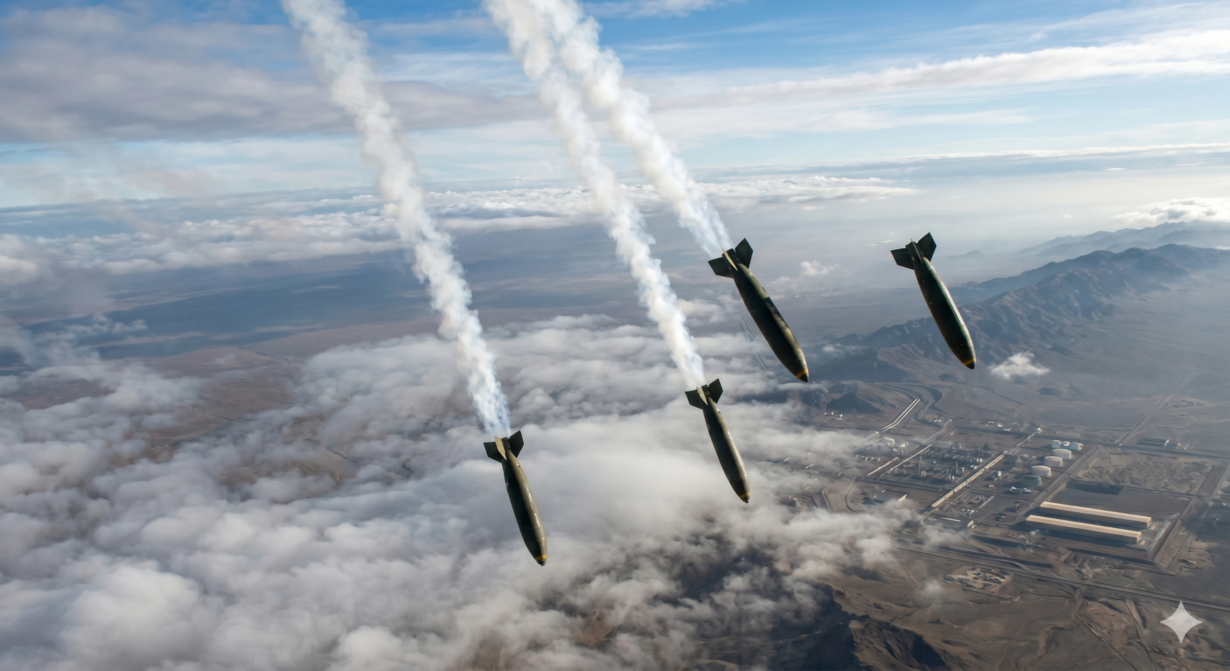
My guess is that the stealth bombers will drop glide bombs and stealth munitions miles from the target, and the weapons will fly in on their own, hitting well after the bombers have turned around. At the same time—or just moments before—Israeli pilots will perform surprise decapitation attacks, hitting select buildings and bunkers, targeting the IRGC leadership before they are even aware an attack is underway, just like the first time.
This will be followed by more cruise missiles fired from ships with newly filled magazines, and the Growlers that deal with radar and electronic emissions. They will lead the wave of fighters and bombers, some of which will be from other Gulf States, as they roll up strategic targets across the Iranian countryside.
The Second Wave
Bombing their energy infrastructure and bridges will come later, after their defenses are down and their offensive capability has been knocked back a second time. Like the blockade, targeting infrastructure will be an economic weapon, a way to tighten the screws on the regime.
Unless the Iranian populace is as complacent as many Americans appear to be, things might start to unravel internally. It will start slowly with protests and attacks on public officials. Then it will build to storming buildings to free political prisoners and killing people thought to be informers or squealers.
Eventually, the regime will collapse, whittled away from the outside until it is too weak to withstand an attack from the inside. What happens next is anyone’s guess.
On this side of the world, life will go on. We’ll still be getting up every morning and going to bed every night as if nothing has happened. We’ll be distracted by Twitter, TikTok, sports, and celebrity gossip. Corruption will be uncovered, politicians will lie, and someone will be accused of sexual harassment, but very few will care, unless it can be weaponized.
But that small percentage of us who consider ourselves preppers will know there is one less threat to worry about. We’ll still prep, of course, because there are plenty of other threats, but Iran won’t become one again for years.