
Thirty years ago, Pete the Pickled Prepper was living in a New York City apartment building and working near Grand Central Station. He took a look at the world around him and decided that this was definitely not where he wanted to be when the SHTF. He fired up his modem, logged in to CompuServe, did some research, and read some forums until he landed on alt.misc.survivalism, and he was sold. That day, a prepper was born.
Pete blames his parents for preparing the fertile soil on which the prepping seed germinated and later flourished. They raised him in a home with a wood stove, a vegetable garden, and plenty of camping and hiking. They didn’t realize they were preppers, but their self-reliant approach to life created the firm foundation upon which he has built. Of course, growing up during the Cold War, Three Mile Island, the gas crisis, raging inflation, the Iran hostage crisis, and Chernobyl might have also primed the pump.
Pete’s Prepper Journey
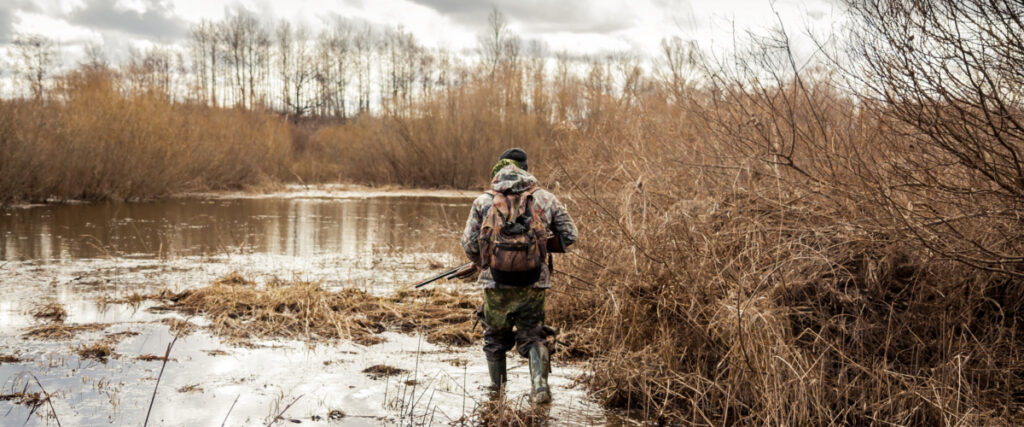
Since deciding to become a survivalist, Pete’s prepper journey has taken him from a big-city apartment to an isolated mountainside homestead. Over the past 30 years, he has had a retreat; been a member of a prepping group; worked with law enforcement, military personnel, and first responders; and held a position in corporate emergency management and served as a corporate spokesperson after disasters. He is also an NRA-certified firearms instructor, a USPSA range officer, and a former competitive shooter. Pete is also an experienced beekeeper who has been living on a homestead in the Appalachians since 2020. In short, he’s lived and breathed the prepping lifestyle, and he still does.
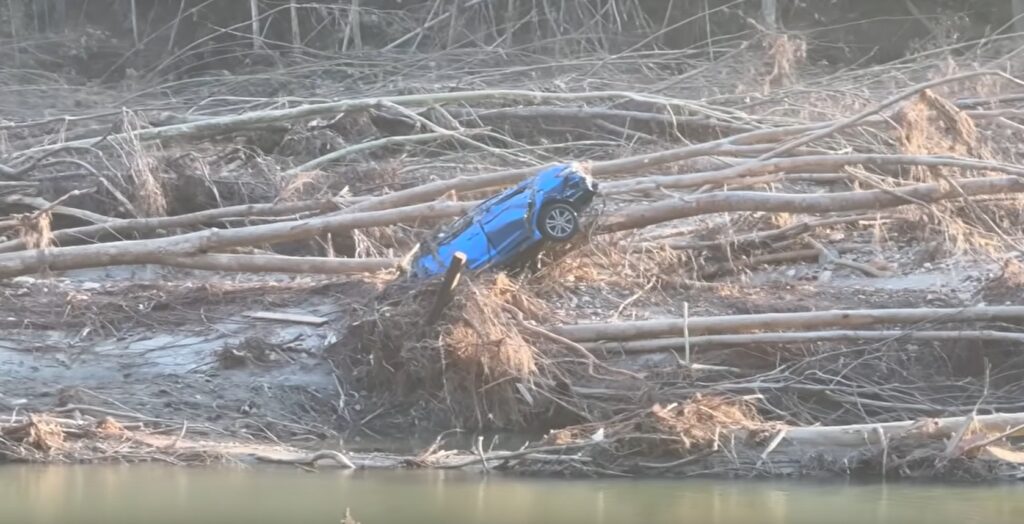
After living through disasters and emergencies like the run up to Y2K, the 9/11 attacks, the anthrax scare, Hurricane Katrina, the stock market crash of 2007/8, the Fukushima Tsunami, Hurricane Sandy, multiple wars, and a bunch of wildfires and other natural disasters, he’s seen and experienced how emergencies and disasters impact both the general populace and preppers. His most recent experience of being hit by Hurricane Helene knocked him offline for nine days and trapped him at his prepper home for six weeks before the roads were repaired.
Pete is a firm believer in what he calls the “layered approach to prepping.” The layered approach allows new preppers to start small and build their preps over a period of years, but is also useful for experienced preppers. It also means you have a fallback plan, a plan B.
Join us Monday, Wednesday, and Friday for a prepper’s assessment of what is happening in the world, the country, the economy, and updates from the Homestead.