

I left the house three times this week and traveled to the same place—the closest town, a 30-minute trip— for a variety of reasons: a lunch, a doctor’s appointment, and a meeting with fellow beekeepers that included dinner. Along the way, I went to our storage unit, stopped by the hardware store, dropped off our trash, and picked up the mail. I used up about a quarter-tank of gas and will fill up the next time I leave the house, but the point here is that none of these trips were necessities. I could have stayed home.
The smartest thing to do would have been to schedule everything around the doctor’s appointment, to have lunch before and dinner after, and run all my errands at the same time. I often try to do this, but things didn’t line up that way this week. If I had been trying to save gas, I would have canceled lunch and dinner and thrown in a stop for groceries or Walmart for a curbside pickup.
If we had no gas, or no money, I could have stayed home and saved both. The doctor’s appointment wasn’t a necessity. The lunch was related to one of my volunteer gigs. Even the hardware store and the storage unit were conveniences, not necessities.
If tensions rise and things are bad, but not yet truly SHTF, I can drive to the village, which is closer than the town, once a week to get the mail and drop off the trash. If things were to cross over from bad to worse, well, there’s nothing that important in our mailbox. We can go every other week, once a month, or not at all.
Lockdown Experience
Most of us have experience with a lockdown thanks to the pandemic. I’m not encouraging anyone to go into lockdown, but it’s worthwhile to ask yourself, How long could I stay home if I had to? As long as the internet is working, we could stay home for months. My wife would get restless and bored, but we don’t have to leave, and if we do, we don’t have to go far.
When the COVID lockdown hit, many people were unprepared. My advice is to prepare this time so you have a leg up if there is a fuel-shortage-inspired lockdown. Again, I’m not saying gas shortages, rationing, curfews, martial law, or other problems will occur, only that as preppers, it is our job to plan for the worst.
So plan what to do if school goes back to remote learning because school districts can’t afford to put diesel in their trucks or lunch on the table. Have a plan if companies allow people to work from home again to save gas. Because we all know that line of parents idling in the drop-off/pickup line at schools and clogging the commuting lanes on highways twice a day burns a huge amount of gasoline.
Consider that there was gasoline rationing during WWII and restrictions during the oil crisis of the 1970s. There were lines at gas stations and pumps frequently ran dry. Today, we have larger stations with far more pumps, but there are also more drivers. Of course, we have electric vehicles, too.
I remember restrictions on how much gas you could buy at a time in the 1970s—often just 10 gallons—and a rule that you could only buy gas on even-numbered dates (April 2, 4, 6, etc.) if your license plate ended in an even number.
Global Problems More Severe
We are quite lucky here in the U.S. because we produce oil, gas, and coal. While we still rely on a network of pipelines to ferry fuel about, we are no longer net importers. We also have our own refineries, although a fire earlier this week in Texas took a Valero refinery off line for a “temporary” basis. (Suspicious, isn’t it?)
Fuel shortages are already hitting Europe, Australia, and countries like India and Bangladesh. The Philippine president declared a state of emergency because 98 percent of its oil passes through the Strait of Hormuz. Restrictions limiting customers to 15 liters (about 4 gallons) are already being implemented around the world, with other countries allowing as much as 50 liters per fill-up (more than 13 gallons). In my area, gas is 90 cents higher than it was, an increase of about 33 percent, but there are no signs of shortages.
The world is also lucky that the Northern Hemisphere is heading into summer, so less oil and gas will be needed for heating. You might wonder about air conditioning, but the bulk of our electrical power is produced by natural gas, nuclear power, and coal-fired generation, all of which we have in abundance. Expect prices to rise because oil is a global market, but any electricity shortages here will be caused by poor planning and lack of generation and distribution, not oil shortages.
Plan for things to get worse in September as temperatures drop. If you have thought about a wood-burning fireplace for heat, get your order in early. Wood stove sales took off in the 1970s, as did smaller, more fuel-efficient cars. That trend could repeat.
How to Prepare for This
Higher fuel prices in the U.S. will translate into higher prices for anything delivered by truck—which is just about everything these days. That could translate into inflation and rising interest rates—which is bad for real estate and people who have debt. But will it curtail hiring, hurt employment, and lead to layoffs, which could lead to a recession? Time will tell, and that means wait and see how long the war and its repercussions last.
To prepare for any potential fallout, my recommendations are largely unchanged:
- Minimize travel, and if possible, eliminate air travel and overseas travel.
- Stay armed and have a “truck gun,” even if you drive a car, in which case it is a trunk gun.
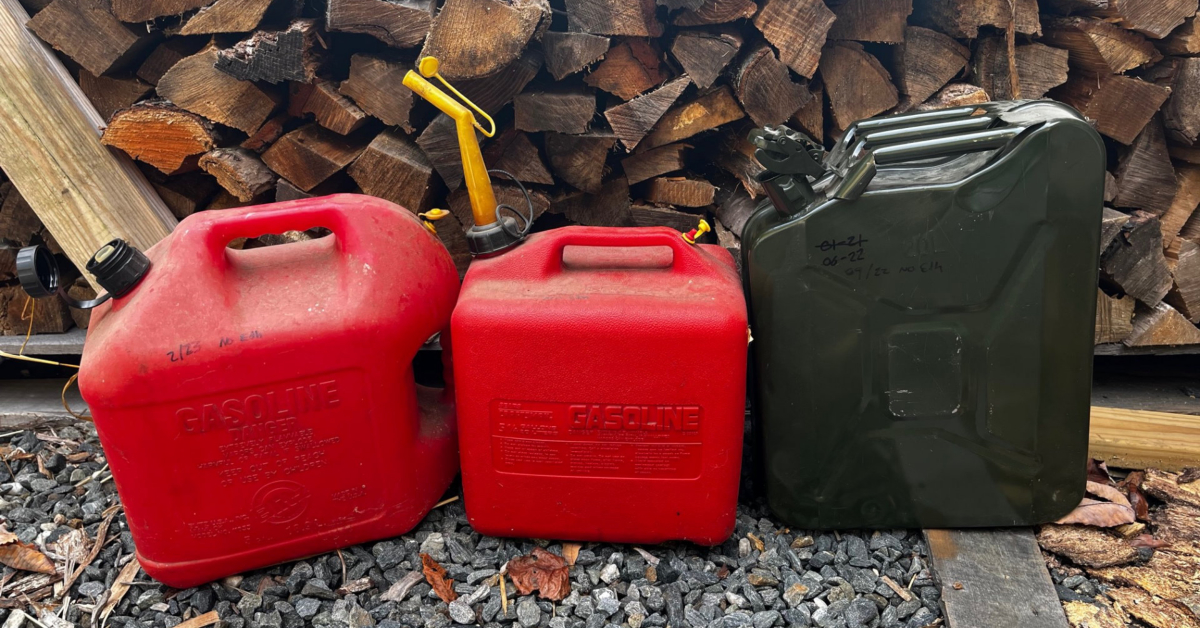
- Fill any empty gas cans to ensure you have extra gasoline on hand.
- Traditionally, we fill our cars with gas when they reach half a tank. We have adjusted that to a quarter of a tank. Do the same.
- Stock up on whatever you need to stay at home, work at home, and have kids do remote learning from the house. Think back to the pandemic and make any changes to handle these processes better than last time.
- Look into ways to minimize use of your gas or diesel-powered vehicles. This could be as simple as combining trips into one more efficient trip, carpooling, or ridesharing.
- Investigate alternative energy, including wood burners for heat, solar power for electricity, and even wind or hydropower options.
- Fuel economy and energy efficiency have just become more important when buying cars and appliances.
- Consider planning your summer vacation close to home, say within only one gas tank’s range, just in case.
- If you have kids, it might be a good year to join the local pool.