
I am old enough to remember the energy crisis of 1973. While I wasn’t yet old enough to drive, I was aware that the gas crisis worried my parents. I’m sure they did a number of things to adapt, but I remember two big ones.
First, my father installed a wood stove in our basement. We lived in an old house that used home heating oil to heat water in a boiler. The water circulated through radiators to warm the house. It made radiant heat nicer than the forced-air heaters that are so popular today. When the boiler clicked off, the water and the radiator stayed hot for quite a while. Whether my parents were worried about the cost of oil, its availability, or were just smart enough to want a backup heat source, they opted for a wood stove, and we spent the next few years scavenging for wood.
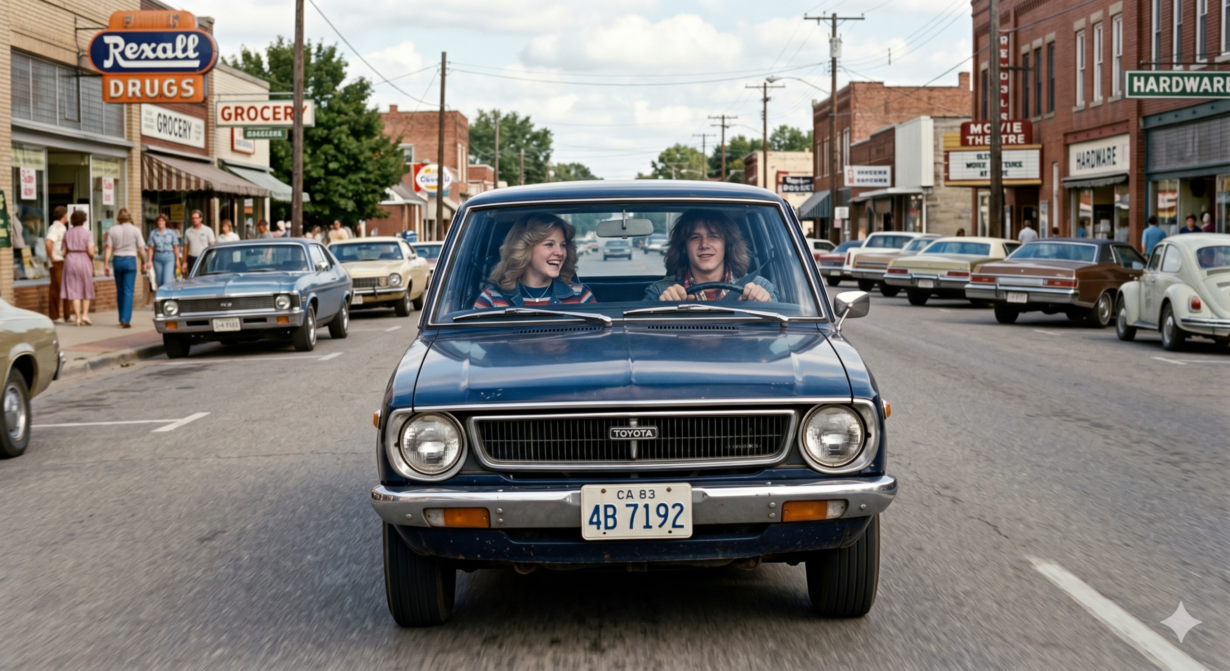
Second, we traded in the Oldsmobile for an old Datsun (which later became Nissan) because Japanese cars were smaller and got lower gas mileage. I don’t know the model; I just know it was small. By the time I was learning to drive, we had upgraded to a Toyota Corolla station wagon. It replaced the V8 Ford Country Squire, a giant 10-MPG station wagon that ferried us on family trips. Because manual transmissions supposedly gave you better gas mileage, we always got stick shifts. I may have been the last generation where most kids learned to drive a stick.
We survived at least three energy, gas, and oil crises over that ten-year period, and we managed to live through inflation, too. Eventually, my parents retired and lived to a ripe old age, fulfilling the American Dream despite these occasional roadblocks.
Adapt and Overcome
What’s stopping you from making changes in your lifestyle to adapt and survive as the world around you changes? I doubt my dad wanted to trade his cushy Oldsmobile Cutlass Supreme with power windows (a luxury back in the day) for a Datsun that looked like it might have been the prize in a large box of Cracker Jacks. But he saw the writing on the wall, and he made the switch.
Many financial experts tell you not to buy a new car for a litany of reasons. They also recommend against leasing. Yet millions of Americans buy or lease new cars every year, even when there is nothing wrong with their old ones. They are used to living in a disposable society, even though cars do not wear out in five years.
My parents rarely used credit cards (they grew up well before anyone used a credit card), and I later learned the value of paying off my balance. Credit cards and interest rates in excess of 20 percent will eat your paycheck alive. Yet credit card balances have never been higher. All because Americans today are unwilling to cut back, to sacrifice.
Prepping can Require Sacrifice
Prepping often requires sacrifice. The money for that 75-inch TV you want to replace your 55-inch TV goes to buy storage food instead. That cruise you wanted to take gets turned into a camping trip so you can teach your kids about the great outdoors and let them see living in a tent as an adventure rather than a calamity. But are those sacrifices? Or are they adapting to what lies ahead?
When you won’t go hungry if the food deliveries stop, you have independence. That’s worth watching sports on an older, smaller TV. If you can survive for a while without going to the gas station, you have at least a few months’ worth of freedom. That’s worth some sacrifice, even if it means staying home and driving to town only once every week or two.
Consider getting a job where you work at home, so you don’t have to spend money on the commute. (Contrary to popular belief, there are still many jobs that are remote.) After doing that for a while, you’ll realize you can live anywhere you want if you work at home, including somewhere more rural, safer, and cheaper. Suddenly, it doesn’t seem like much of a sacrifice.
When to Sacrifice?
Here is a lesson for those who have not figured it out for themselves: Overcoming adversity often requires sacrifice. It may mean doing without, or not getting what you want. It may require compromise, or even making a concession.
But here’s another lesson: It’s only sacrifice if you look at it as one. Just because your parents, your siblings, your neighbors, or your friends think you are sacrificing by not running up your credit card bill or buying a new car every three years doesn’t mean you have to think that way.
I “sacrificed” many things when I was younger, avoiding expensive vacations, driving the same truck for 18 years, not buying cool things I wanted, and working two jobs. As a result, I was able to retire in my mid-50s, and I don’t have to worry about working the rest of my life to pay my bills.
That’s another lesson: sacrifice when you are young so you don’t have to when you are old. It’s easier to do without when you are 23 or 32 than when you are 73 or 82. If you don’t believe me, spend a few weeks as a driver for Meals on Wheels, or visit your local senior center.
Trade-Offs
When we moved to our prepper property in the middle of nowhere, it was the realization of a long-term dream, but it also required sacrifice. The biggest sacrifice was convenience: nothing is nearby. Unless we shop at Dollar General (yes, they really are everywhere) we can’t run out and pick something up. We sacrificed by not having as good medical care and easy access to doctors. My wife used to have her choice of four or five grocery stores within a few minutes’ drive. Now the closest grocery is 35 or 40 minutes away.
We also left behind friends, family, and everything we knew; certainly a sacrifice, but it was worth it. We are better prepared for whatever war, politics, crime, or Mother Nature brings us; our cost of living has dropped, we are outdoors more, the air and water are cleaner, and we are safer (unless we need an ambulance).
Granted, there are people who move to a homestead and hate it. There are people who move off-grid and yearn for civilization. But that hasn’t been the case for us. We moved for good reasons; we felt the sacrifices were worth it, and they have been.
Don’t be scared to make a sacrifice. For example, if you think you need a solar generator to survive what you expect will be problems in the energy grid, sacrifice until you can afford one. Don’t run out and put it on your credit card: save the money and then buy it. That’s not a sacrifice. Paying the price up front for what you hope will be a benefit is.
Too many people today don’t risk. They don’t sacrifice. Dare to do so. It might pay off.