
Just nine months after the flooding caused by Hurricane Helene devastated swatches of North Carolina, Tennessee and several other states, we have a similar flash flood along a river basin in Texas that has killed at least 70 people and more missing, including 11 from an all-girls summer camp.
Having lived through Helene, my heart goes out to those who have been affected by the most recent flooding. The only good news I have for you is that help is on the way things will get better eventually. In the meantime, you will have to be strong and resilient.
Since we missed the media coverage of Helene, it’s been educational to watch what both the local channels and national networks are reporting.
Differences
A few things stuck out at me as differences between the two floods. I’m not trying to say one flood was worse or better than the other, just to point out that as you prep for a potential disaster, keep in mind where you live might affect the extent of a disaster and the response time.
- Area. The flood in Texas appears to have been more concentrated compared to the post-Helene flooding. As more rain falls, and as water works its way downriver, the area could grow. Because the available resources for rescue and relief are spread out over different areas, this should mean a faster response in Texas. Power and Internet should also get rebuilt faster when a smaller geographic area is hit.
- Population Density. The area in Texas appears to be less rural than most of the affected areas during Helene. While cities like Asheville, N.C., which has a population of 95,000, took a significant hit, leaving parts of the city lacking water and sewer for months, most of the affected counties in the Carolinas and Tennessee were rural. This makes it harder to rescue people and more difficult to bring in supplies.
- Time of Day. It appears the flood in Texas initially hit in the pre-dawn hours. I am reading articles about people in their bunk beds or who escaped wearing their nightgowns. Much of the Helene flooding occurred in the daylight hours. This means more people could see the problem coming and move to higher ground.
- Speed. The most recent storm appears to have come out of nowhere while the rain from Helene built over time. Both places reported walls of water, but Texas saw a 26-foot rise in the river level in 45 minutes. That is frighteningly fast. A wall of water has a tremendous amount of power. I think the only thing that could compare is a tsunami.
- Weather Patterns: Texas got hit by a flood. North Carolina and Tennessee also experienced high winds which caused massive tree loss and many downed electrical lines. There are still places with no land line telephone or internet service. How remote you are matters.
Similarities
- Surprise. Both areas were caught off guard. In Texas, it sounds like the initial flash flood and evacuation warnings were made after everyone was asleep. In areas affected by Helene, no one expected a storm that was coming ashore on the Gulf Coast to have such an impact hundreds of miles inland. The flooding was a surprise to many in both areas.
- Ignoring History. Texas had seen similar flooding along the Guadalupe River less than 30 years ago; same with parts of N.C. In Tennessee, senior citizens remembered similar flooding from when they were children. The recent flood may have been worse, but it should not have been a surprise. This is an example of normalcy bias.
- Riverside Residences. It appears shopping districts, summer camps, residences, hospitals, and businesses were built in the 100-year flood zone in both instances. Maybe we should use that land for farming, recreation, and other uses so that no one’s home or livelihood gets washed away. There’s a cost associate with having a “water view,” even if it doesn’t come due every year.
Natural Disasters
Throughout my life, I have prepped for a variety of man-made disasters, from Y2K to terrorism and nuclear wars. So far, it has been the natural disasters that cause the worst problems. I’m grateful to have avoided the man-made calamities, but learn from this lesson and prepare for floods, wildfires, hurricanes, earthquakes, volcanoes, blizzards and other natural disasters. They seem to be far more of a sure thing.
Don’t build your home or critical infrastructure in the 100-year flood plain. I would be hesitant to do so in the 500 or 1,000-year flood plain.
In addition to people who lost their home and outbuildings, we know people who lost their septic system because the land where it was built washed away. They still have a house, but can’t get an occupancy permit without septic. My wife knows a woman who still has to shower and do her laundry at her brother’s house because the spring providing water to her home was destroyed by the storm.
Relief Efforts
In our experience, the immediate rescue and relief efforts were provided by community members, local churches, and volunteer fire departments, often with some help from similar organizations at a state level or from unaffected municipalities. Many churches and random people from out of town showed up with food, water, generators, and other supplies.
Organizations like the Red Cross responded and helped run shelters, but they didn’t stick around once the emergency was over and no one was hungry. When things changed from relief to recovery, we found the most helpful organizations were Samaritan’s Purse and Baptist on Mission. Both are still here helping people, building homes, and repairing private roads and bridges.
Unless you needed money to stay in a hotel, FEMA was all but useless. Maybe that has changed with the new administration, but don’t rely on them for anything more than a token $750.
If you feel moved to make a donation, I would recommend Samaritan’s Purse over the Red Cross.
Long Term Recovery
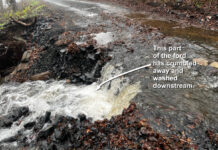
One thing we didn’t plan for—and I suspect few preppers do—is how to recover. It’s hard to prep for losing your home or having your car washed away. We hadn’t planned for rebuilding the ford, repairing the road or cleaning up after the landslide. It is difficult to prep for an unpredictable loss, the stress that comes after the disaster, or the grief that an event like these floods can cause. But people are surprisingly resilient. I know at least three families who lost their homes because of Helene and all are rebuilding, rebuilding better in most cases. Another couple who had four feet of water in their house have already repaired and renovated their home.
Recovery is a long process and a struggle, but it’s good to have something to which they can look forward. I know it’s too soon to discuss recovery in Texas, but those who didn’t lose a loved one should remember that things will be better one day in the future.
We all have different reasons we prep and different disasters we want to survive. My advice is to look ahead. The recovery after the disaster is likely to have as much or more of an impact on your life as what happens during it. Food, water and shelter are important, but so is having a good insurance policy and money in the bank to make repairs and replace items damaged or destroyed.