Over the past five years, this blog has predicted inflation and war, and we’ve had both. I’ve warned about food shortages, supply chain disruptions, and bank failures, but they have all proved to be short-lived. We’ve also seen pandemics, social unrest, cyberattacks, assassinations, deportations and corruption. But it could be worse.
We haven’t had nuclear war. No one has used a tactical nuke or an EMP. Russia blusters. China seethes. Iran lost its war and is imploding. War in Europe remains a question mark. Border wars flare up only to get beaten down. The threat of civil war looms.
While we have seen mass shootings, there have been no terror attacks on the scale of 9/11. There hasn’t been a CME or sunspot that sent us back to the dark ages.
The dollar may be losing its prominence and value, but it hasn’t failed yet. Silver is approaching $90 an ounce, but the U.S. still hasn’t experienced hyperinflation. The stock market continues to soar. AI will be either our savior or our biggest threat; it’s too soon to tell.
We may live in a dysfunctional society, but it is not yet nonfunctional. We may have fewer police, but at least we still have some. Too many courts are staffed by liberal judges and weak prosecutors, but we still have courts. Federal, state, and local agencies continue to operate. There may be corruption, but there are also examples of well-run municipalities and agencies. Very few bridges have collapsed, and the potholes are usually filled. Trash gets collected. The mail gets delivered.
Like I said, it could be worse.
What Should You Prepare For?
Given the above, and acknowledging that it often seems as if some bigger threat is coming, what should you prepare for? Do you prepare for natural disasters? A man-made one? War? Economic collapse? Or all of the above?
I have two simple answers to this question.
Prepping for Local Threats
Answer one: prepare for the disaster or dangers that are specific to your location. I can’t predict what these are, but you can. Look around, assess local threats, and prepare to survive those.
Many of these will be related to your geography. Are you in Tornado Alley or a flood zone? Do hurricanes hit your area? Do you live in an area that gets hit by ice storms, blizzards, earthquakes, tsunamis, or wildfires?
Other threats may depend on what is in your area. Do you live near a port, military base, nuclear missile silos, a space launch facility, or anything else that could make your area a military target? Are you near an important railroad switching yard, a key internet connectivity point, or a nuclear power plant? Is that research facility in your local corporate park working with dangerous viruses?
What about the people in your area? Do you live in a place with high or low population density? How bad is crime in your area? Do you feel safe walking down the street, or do you frequently see property crime, vandalism, graffiti, prostitution and drug sales? Would you let your kid play outside unattended?
Identify potential risks and take steps to mitigate them, avoid them, or leave as they develop. These preps will be specific to you. If you move across the country—or sometimes just out of the county—you will need to re-evaluate because the threats change.
Prepping for Side Effects of Global Events
Answer two: prepare for the events that go beyond local or regional disasters. This is that big list at the beginning of the article: the wars, pandemics, hyperinflation, national or global food shortages, etc.
While a local event, like a flood or a fire, may affect anywhere from a few dozen to tens of thousands of people, the bigger events affect us all. They aren’t targeted at us as individuals, but we feel the side effects and unintended consequences. Plus, there is often little or nothing we can do as individuals to prevent or mitigate these events. All we can control is how we react to them.
So how do you prep for a global event? Focus on the big three: food, water, and shelter. Then work on the second three: self-defense, medical/first aid, and communications. Consider your location and whether you will need to bug out to a safer place. If so, line that up before it is too late.
Obviously, the preps for a war with China will differ from the preps for a currency collapse, but there will be more overlap than you expect. Stockpiling food, gear, tools and other necessities is a good practice for any lengthy disaster where outside aid is coming late or not at all.
How Long Should Your Preps Last?
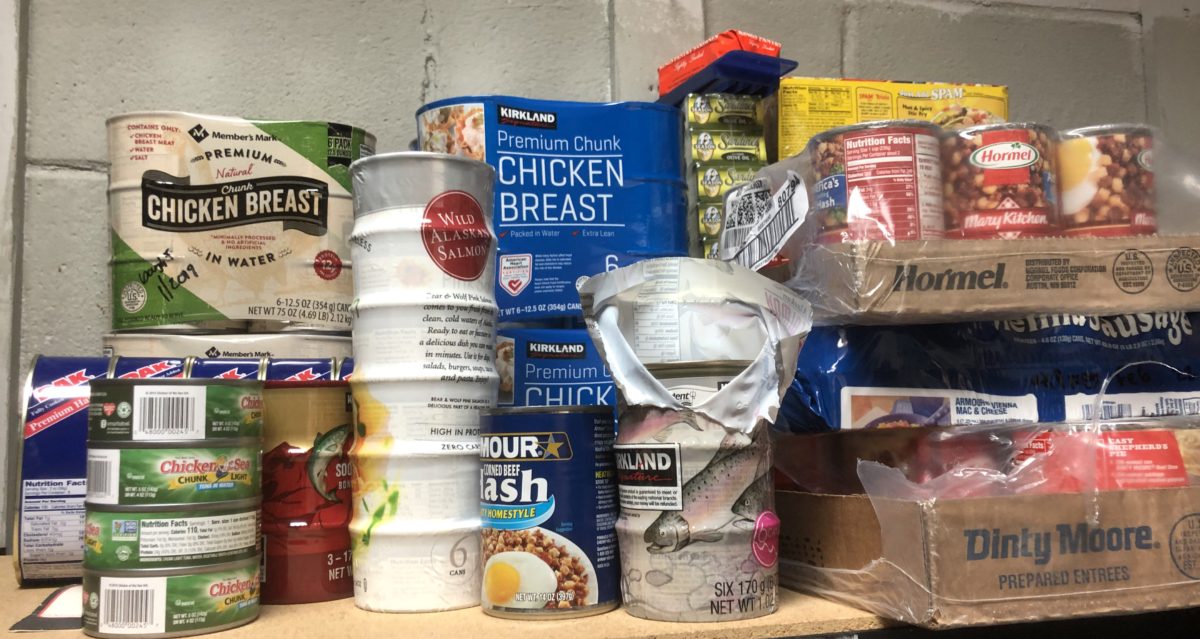
People like to have targets, so they often ask how many weeks or months of food or other supplies they need. It depends on the threat and its duration, which we generally cannot predict. Because we don’t know what we will be called upon to survive, we don’t know how much food and other resources we need. However, it’s better to have more than you need than not enough.
Start by looking at your assessment of local threats and decide what is appropriate. Do you expect to go three weeks without power, three months without trucks reaching your location for resupply, or three years before any kind of recovery starts after a major catastrophic world-changing event?
Pick a number and start with it. Then work up to a big number. For example, aim to have a month’s food, and when you achieve that, adjust your aim and target a 90-day supply. When you get there, you can look at whether you need a year’s worth of food.
Don’t just get supplies; get replacement parts for anything you depend on. Look for items that can be recharged, perennial plants that provide food year after year, or animals that give you a repeated supply of food by reproducing. Chickens, for example, not only lay eggs but can hatch new chickens to be eaten or to lay more eggs.
Making Prepping Easy
After prepping for more than 30 years, I no longer prep for a specific event. I prep for the end of the world, whatever form it may take. This means I prep for a wide range of disasters. If a new danger comes along, I may add some specific preps to address it—as I did when we had a high likelihood of forest fires—but I don’t focus on it. Regardless of what happens, I’ll need to eat, and I’ll want a source of clean drinking water. Chances are, I’ll also need warm clothing, work boots, and somewhere to lay my head at night.
I can’t imagine a disaster where I won’t want toilet paper, but in most disasters I won’t need a gas mask. Unless we have a nuclear event, I won’t need iodine pills. I have these preps, but if I were starting to prep from scratch, I wouldn’t buy them unless I lived along a railroad line, downwind of a nuclear plant, or somewhere else those specific preps would be needed.
That’s my approach, and my advice for simple prepping: Prep for big, broad disasters. Focus on the big three (food, water and shelter) and the second three (self-defense, medical/first aid, and communications). Fill in any blanks or holes you spot. Start small and build your preps. Only prep for individual or specific disasters if they are likely to hit your region.
And remember, while things could be worse, whatever happens might not be as bad as you expect.