
As I mentioned on Monday, by preparing for a hurricane that never made landfall, we have gotten an early start on our winter preps. What other winter preps should we be doing?
I break our cold weather preps into the following sections:
- Prepping your house for the cold
- Readying your car for the winter
- Preparing yourself for winter
Sounds pretty basic, but each topic includes multiple steps. Blow are more details.
Prepping Your Home for Winter
If you live in a cold climate, your house should accomplish two things: keeping the wind and cold out while generating and retaining enough heat to keep you comfortable and prevent your pipes from freezing. To help accomplish this, you may want to consider:
- Insulating any exposed piping in your crawl space. We added electric heat tape to one of our exposed pipes and then wrapped it in insulation.
- Having your HVAC contractor inspect and clean your boiler, heat pump, or other heating appliances to ensure they are in good working order.
- Ensuring you have enough fuel by filling your propane or heating oil tanks. If you need to apply for aid to pay high winter fuel bills, talk to your utility or county social services department early because these programs often run out of funding before winter ends.
- Having a secondary or backup heating system. This can be used if your primary one fails, during a power outage, or when extreme cold temperatures make it difficult for your primary heat system to keep up. This could include space heaters, a propane heater or fireplace, a kerosene heater, or a wood-burning fireplace or stove.
- Winterizing an older home. You may need to install storm windows, caulk window frames, add weather stripping, or consider adding window insulating film on the interior or keeping thick curtains closed. Weatherstripping can also be added to doors.
- Moving any indoor plants out of cold or drafty locations.
Food Prep
I’m going to consider food prep as a subsection of prepping your home. In a power outage, you will want to be sure you have a way to heat food. Our primary backup is the wood stove, followed by a Coleman stove and a single-burner propane stove. The ability to boil water or provide a hot meal can be a tremendous morale booster on a cold, miserable day when the power is out and the temperature is dropping.
You may also need to keep your food cold during a power outage. If the temperature is below freezing, you can move things from your refrigerator or freezer into anything from an ice chest to a cardboard box or laundry basket and tote it outside. We would put things out on our deck, which is inaccessible from the ground.
I recently talked about cast iron cookware. It’s great if you have to cook over an open flame or on the wood stove.
Readying Your Car for Winter
If you live in the Great White North, there is probably a law telling you when you can put your snow tires on and clarifying if studded tires can be used. Be sure to familiarize yourself with these regulations. You should also check the condition of your tire chains and make sure they are untangled and accessible in case you need to put them on.
It is also a good idea to check your battery before the cold sets in since a weak battery may not start your car in the cold weather. Be sure to know how to open your car door if the battery is dead and your remote does not work.
I’ve lived in places where your car needs to get plugged in at night, so if you have an oil pan or radiator heater, make sure it is working. Depending on when you change your oil, you may need to get a lighter grade of oil for the winter. It will make starting easier. Another trick I used to do was to put a piece of corrugated cardboard in front of half to three quarters of the radiator to allow the car to warm up faster.
Check Your Vehicle Survival Kit
Check and update your vehicle’s survival kit—or create one if necessary. Think about what you would need if you were forced to pull over because of a blizzard and spend 24 hours in your car and equip your kit accordingly. I carry a survival kit in my truck all year, but I add warm clothes, a knit cap, heavy socks, and a small snow shovel to it. When it is snowing, I also add a pair of insulated overalls. On long trips, I may add a sleeping bag.
The contractor box on my truck contains a fire-making kit with tinder and dry kindling so I can build a fire, and a folding saw and hatchet so I can get more wood for it. My survival kit already includes a small pot for boiling water and packets of oatmeal, ramen, and other dried foods that can be eaten hot to help your body stay warm. Between the food in my car and my EDC bag, I could feed myself and a passenger for several days.
Preparing Yourself for Winter
This can be a mental thing, because many people don’t like winter. I think it’s a nice change, and I enjoy the cold, crisp air. Of course, one key to winter happiness is staying warm and comfortable, and dressing appropriately is a good start. This includes your base layer, a good exterior layer, and one or more intermediate layers. I prefer wool for the base layer and wool or fleece for the intermediate layers. When working on the homestead, I wear a heavy Carhartt parka, but if I am hiking or hunting, I wear outerwear with more technical fabrics designed to breathe out while keeping wind and moisture from penetrating.
Good footwear is equally important, and you need a few different hats so you can change them as the weather gets colder. When the wind chill drops, a face mask is also useful. I also wear sunglasses to protect my eyes from the wind and from the possibility of snow blindness.
When I am in the woods in the winter, I often will upgrade my EDC gun from a 9mm to a large-bore revolver that has more stopping power. I use a chest holster worn over my parka. This makes the gun accessible without fighting through several layers of clothing. A .45 or 10mm semi-auto like the 1911 or Glock would also be suitable. If you end up confronting a human instead of a bear, the larger caliber remains a suitable deterrent.
Livestock
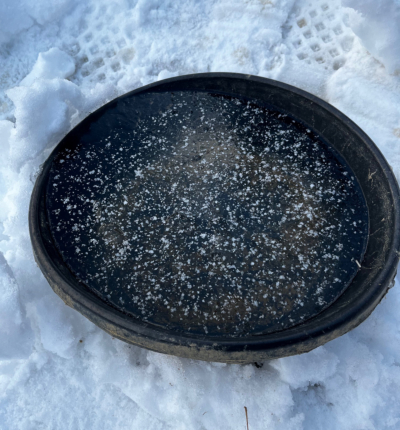
We also make preps for our livestock. The two most important are shelter and water. While there are multiple devices designed to keep livestock water from freezing, I just give our chickens fresh water every morning and again in mid-afternoon so they can drink up before they go into their coop for the night.
While chickens and other animals can live off pasture in the spring and summer, it becomes much more difficult for them to sustain themselves during the winter. Not only is little growing, it may be covered up with snow and ice. Right now, I have six bales of straw for bedding and 12 bags of chicken feed on hand. I’ll restock the latter before December so I have enough feed to last until April, at which point the chickens can free range, if necessary.
Hunting
I didn’t add prepping for hunting to the list at the top of this article because many people who live in colder climes don’t hunt. If you do, this is the time to buy new ammo, sight in your gun, and get some practice. The same goes for archery and black powder hunters. This is the time to find you are shooting six inches high, not when you have a deer in your sights.
Appropriate clothing and footwear are also important for hunters. Around here, many people wear their camo outwear all winter. It’s not because it looks cool or they want to proclaim themselves hunters but because they can’t afford two sets of winter outerwear.
If you use a hunting camp, check your gear and fill in any blanks so you can have a safe and productive hunt.
Getting Snowed In
When we moved here, locals warned us we could get “snowed in up there” for as long as thirty days. (This happened back in the 1970s.) My wife took this to heart, and our freezer has more than 30 days of food in it. This came in useful when Hurricane Helene hit, and it will again if we get snowed in for a lengthy period.
We’ve never been snowed in for more than six days in a row, but there was an 11-day period last winter where we could only get in and out only once. Getting “trapped” up here for two or three days is pretty common occurrence. Having the Polaris may change that equation, but I don’t mind being stuck here. It’s quiet and relaxing. I just make sure I have a few good books to read.
If you just moved from California to Idaho or from some other mild climate to a place with long winters, you should take these recommendations to heart and get started pepping for winter before it is too late.