As preppers, we worry about lots of things, but I’m betting you didn’t have “explosive diarrhea” (a phrase hundreds of media outlets gleefully repeat) on your list. Well, here’s some bad news: it probably should be.
For example, drinking untreated water from “wild” sources, meaning a stream or pond, could infect you with any number of bacteria, protozoa, and other disease-causing agents that could result in anything from mild gastrointestinal discomfort to the “explosive diarrhea” we’re hearing so much about. Alternatively, if you ever find yourself in an overcrowded refugee camp after the SHTF, you could be exposed to anything from cholera to typhoid.
So far in 2026, at least 40,000 people have been infected by cyclosporiasis, a tiny parasite that causes not an upset stomach, not the runs, but “explosive diarrhea.” A case rate of 40,000 illnesses across a population that approaches 350 million is nothing to get alarmed about, and the death rate of two people shows it is nowhere near as dangerous as COVID, but it is still leading millions of people to stop eating lettuce. Because who wants their rear end to become a weapon of mass destruction?
Now, imagine the fun of getting a mild case of the runs while bugging out, with no access to a toilet, a washing machine, or running water. You might not even have toilet paper. Imagine dealing with the threat of dehydration caused by diarrhea when your tap water is out or there is a boil advisory from your local water utility.
Those are SHTF realities, and you should prep for possibility of “gastrointestinal discomfort” during a survival event.
Should you Avoid Lettuce?
While avoiding salad greens from Mexico may help you avoid this outbreak, the best way to stay safe is to grow your own greens in dirt that no human has pooped on within living memory, because the origin of this contamination is human feces. Second best is to buy from a local farmer, preferably one where you can see his or her fields. Third might be the farmer’s market. In other words, the closer you can get to the source of the food, the further you are from a food contamination problem caused by untreated sewage and bad management practices. Mexico may be considered a developing economy, but parts of it are in third-world conditions.
Here’s more bad news: Many food products beyond lettuce can be the source of food-borne illnesses. Salmonella comes from undercooked poultry, meat, eggs, or uncooked produce that is exposed to uncooked meats or meat juices during preparation. E. coli is another bacterium that comes from uncooked ground beef, raw or unpasteurized milk and juices, or from vegetables irrigated with contaminated water. Campylobacter can get you from the same foods.
This is why cleanliness is so important, not only in the kitchen, but doing like your mother told you and washing your hands before dinner. When the grid is down for the third day and you don’t know if help is on the way, washing that pan with hot water or making sure everyone in the family washes their hands after using the bathroom and before eating may seem unimportant. It isn’t.
From Annoying to Deadly
A little bit of gastrointestinal discomfort is exactly that: uncomfortable. It usually clears itself up, and as long as you stay well hydrated, you can outlast what we all hope will be a brief bout that sends you running to the bathroom more often than normal. But serious diarrhea can be a serious health risk and may need antibiotics or other prescription meds.
When I lived in New York City more than 30 years ago, I contracted an illness that came darn close to having explosive diarrhea. The culprit was not cyclosporiasis, but a bacteria called Campylobacter that resulted in frequent and bloody stools. My symptoms were close enough to what victims of this most recent outbreak are experiencing that all these years later I can feel a great deal of sympathy for them.
My doctor made a guess and treated me with antibiotics while they waited for the test results from my stool sample. It turned out to be the correct guess, and we didn’t have to change the treatment. I went back to work on Monday, but it was a week or two more before my diet returned to normal.
When I came back to work, people were shocked at how much weight I had lost. I didn’t realize it until I stepped on the scale, but I had dropped 15 pounds over the course of that one illness. Not being able to keep food down for a week can be debilitating. Imagine if food was already scarce and I had been suffering from malnutrition or no antibiotics were available. It could have been deadly.
It wasn’t lettuce that did me in; best as I could tell, it was badly prepared or undercooked chicken from a Chinese food place.
Treating Diarrhea Post SHTF
Keep in mind that I am no doctor (see our disclaimers), and that for mild cases it is often considered best to let the infected material out rather than retaining it in the body. In many cases, sufficient hydration and bland foods will help the patient weather the infection.
When that is not the case, you should try to diagnose the disease and treat it accordingly. Short of whipping out your microscope and analyzing a sample (and no, I don’t have a microscope), that means analyzing what the patient has eaten or drunk, where they have been, their symptoms, the color and consistency of their stool, and trying to make an educated guess.
For example, if they drank from a stream without a filter or a water purification tablet, they could have Giardia or Cryptosporidium. Giardia (another microscopic parasite) results in a swollen belly, gas, burping, and farting. Plus, the diarrhea may come and go, and it may be yellow and frothy. How do I know this? Because I have a copy of Where There is No Doctor by David Werner et al., which has pages and pages dedicated to diarrhea, dysentery, giardia, vomiting, and related subjects. For example, they say that diarrhea + Blood + Fever usually equals a bacterial infection while the lack of fever points to an amoeba.
That’s two lessons there in one paragraph: Make sure you have a thermometer to take someone’s temperature, and buy a copy of Where There is No Doctor. My copy is from 1996, but I doubt the treatment of diarrhea has changed much in the past three decades.
OTC Treatments
I am not going to recommend any specific prescription meds, but I will tell you that loperamide HCl is the most commonly available over-the-counter treatment, and it is effective for mild cases. So if you absolutely must bug out but you have the runs, take two pills. It may or may not make you feel any better, but it should slow things down and give you some degree of control. I have it in my EDC bag and in my medicine cabinet. Just don’t overdo it and stop things up for longer than necessary.
We also store rehydration powders that can be added to water and Gatorade powders that will accomplish much the same. Pretty much every EDC or other survival bag we own has Gatorade powder in it. It is cheap, flavorful, and can be used whether you are dehydrated from hiking up and down a mountain all day or from a gastrointestinal illness.
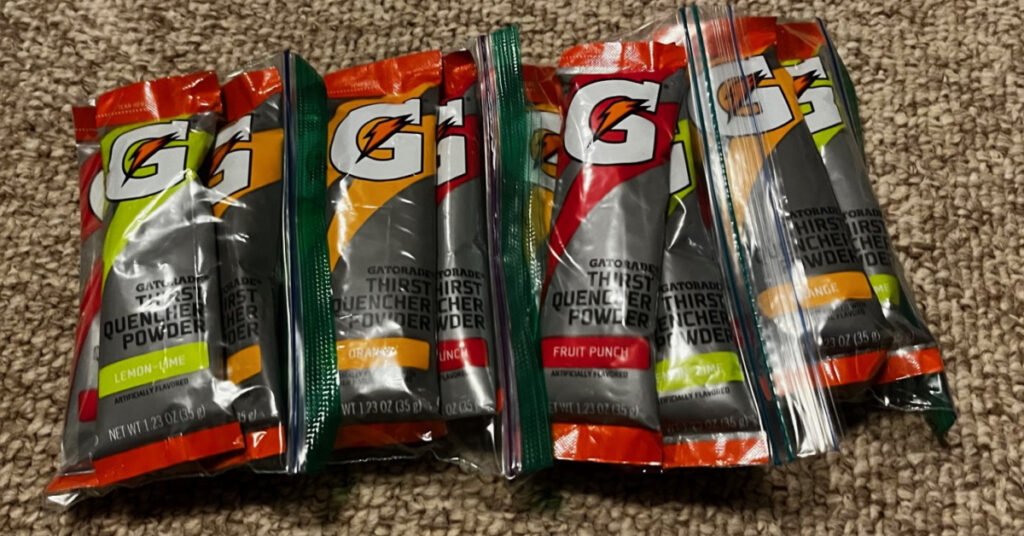
Rehydration is necessary because explosive—or just frequent—diarrhea can result in a loss of fluids, which in severe cases can cause everything from organ failure to seizures and even death. And here’s the bad news: Dehydration is worse in children. So if your kids have diarrhea, give them plenty of fluids, probably more than they want. In the case of infants, they should continue breastfeeding or be given bottles. If hospitals are open, severe cases should be taken to the emergency room for rehydration via an IV. We may think of the runs as a common malady, and many times it is, but an acute case often requires treatment.
Preventing Intestinal Illnesses after the SHTF
Like many things, prevention is easier than treatment. Here are three things you can do to prevent an outside source from giving you and your fellow preppers a gastrointestinal illness:
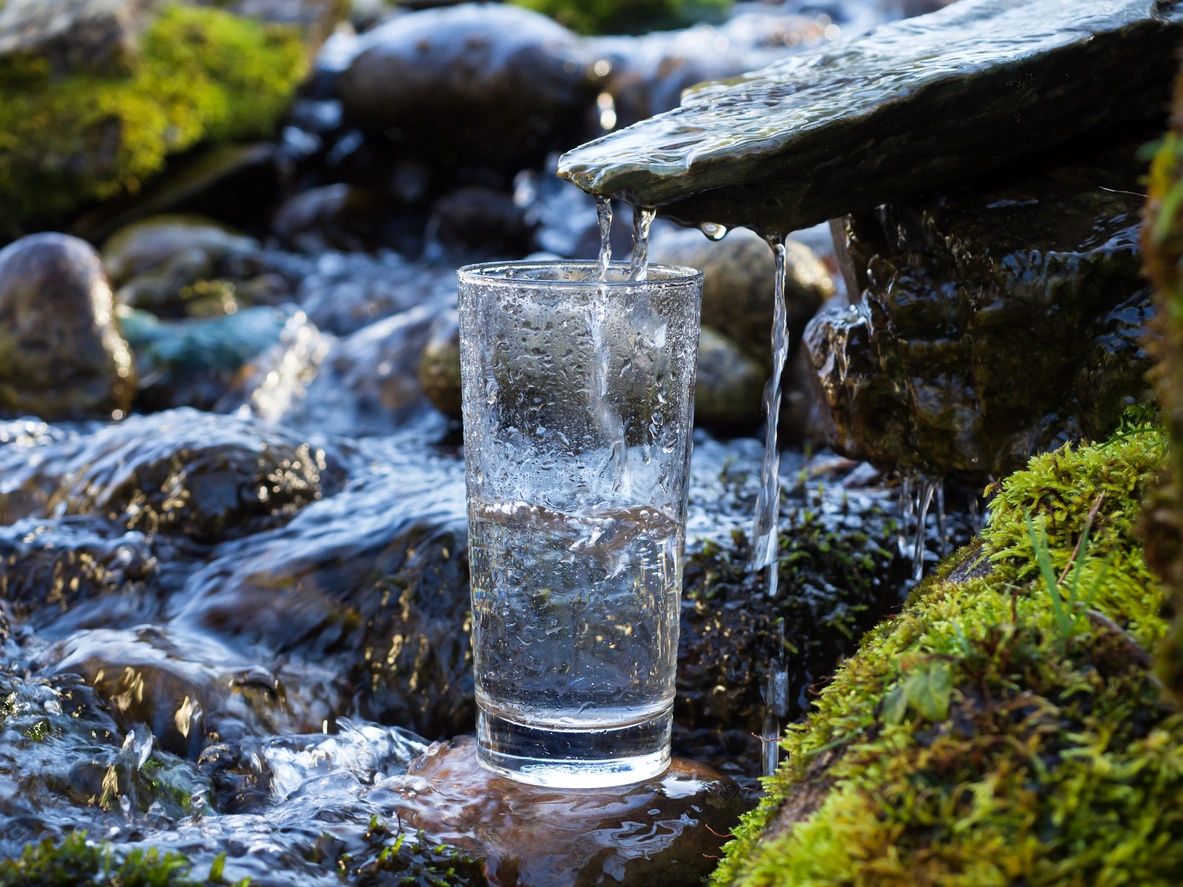
Do Not Drink Raw, Untreated Water
There are many methods of treatment, and you should have several:
- Your basic no-frills treatment is to boil the water. To kill water-borne bacteria, amoebas, protozoa, and viruses, allow your pot of water to reach a rolling boil for at least one minute (three to six minutes the higher you go above 6,500 feet of elevation).
- Large kitchen-counter gravity-fed filters can also filter out most disease-causing agents.
- Smaller filters can be carried in a pack or even in your pocket. Some come built into sports bottles.
- Alternatively, you can treat it with pills or powders that contain chemicals that will kill or render these agents ineffective. I have used both Portable Aqua tablets and Chlor-Floc sachets of powder. There are some in my car, my EDC bag, in my caches, and in homestead defense bags.
- If you have power, you can use a UV light or a reverse osmosis machine to purify your water.
None of these are perfect, but they all have their uses. A pump that has a capacity of 125 gallons before it needs a new filter may be just right for bugging out. A larger, more expensive pump that will treat thousands of gallons might be more appropriate at home or your base camp. Chemical treatments often give the treated water a taste. I’ve heard that this is why MREs contain a flavored drink packet, so soldiers could cover up the bad taste after they purified a canteen of water.
Practice Safe Food Handling
Don’t make the mistake of washing your hands, utensils, cooking spaces or food in unclean water. Use filtered water or boiled water (the heat can help with the cleaning). The same goes for food prep. To be safe, use purified water when reconstituting your dehydrated or freeze-dried food or when adding water to a recipe.
I’ve butchered enough animals to know it is not the cleanest process. If you are sourcing meat “off the hoof” or right out of the trap, consider butchering it outside and preparing it inside. You don’t want blood or water contaminated with blood or animal fecal matter to enter your food preparation area. That is how your fresh lettuce from your garden gets contaminated with E. coli.
Cook meat to its minimum temperature. Here are some recommendations:
- Domestic poultry and game birds, from pheasant to duck to turkey: 165°F/74°C
- Whole cuts—like roasts and steaks—of red meat, including beef, veal, venison, elk, and moose: 145°F (63°C)
- An exception is wild pig and bear, which should be cooked to 165°F/74°C.
- If you grind the meat or make sausages, cook it to 160°F/71°C
If in doubt, cook all meats until they are at least 165°F.
Maintain High Hygiene Standards
It’s going to be tougher after the SHTF, but you need to clean your cookware, silverware, plates, glasses, and countertops at least as well as you did before. If you are cooking from scratch more than you did when the grocery stores were open, you’ll probably be cleaning more now than you were then. Hint: stock up on some of those helpful sprays that you spray on and then wipe off after they kill the germs. That could be helpful.
Washing hands and washing people will also be important, and while no one wants to take a cold shower, everyone should bathe at least once or twice a week. Sure, our ancestors may not have, but we know more than they did, and there is a reason our lifespan is approaching twice theirs, and good hygiene and food preparation are two of those reasons.
Explosive Diarrhea
There, I just wanted to say the “D-Word” one more time. I dare say I have used it more in this article than in five years of blogging. But whether you consider it funny or gross, you should also consider it dangerous and potentially deadly. Take steps to prevent it and know how to treat it. Stock loperamide, have a robust water filter, practice good hygiene and food handling, and add some medical texts to your prepping supplies, because when the SHTF, there will be enough shit without it exploding forth.
All joking aside, below is a video that takes an objective, scientific look at this outbreak, discusses the protozoan’s lifecycle in a way that has been missing from the mainstream press, and covers why we may see more of it in the future.